

In South African martial arts, few stories are as rich as Sensei Alfred “Alfie” Stevenson’s. A Springbok judoka, accomplished karateka, and Olympic-level coach, he holds a nanadan (7th dan) in judo and a sandan (3rd dan) in karate. He’s walked the line between throws and strikes his whole life. It started in a backyard dojo built by his father and led to world championships, national titles, and guiding athletes onto the biggest stage of all. For Alfie, it’s always been about more than medals — it’s about perfect technique, a fighting spirit, and the lessons that last long after you step off the mat.
Introduction and Background
Could you share how your martial arts journey began, and what initially drew you to both judo and karate?
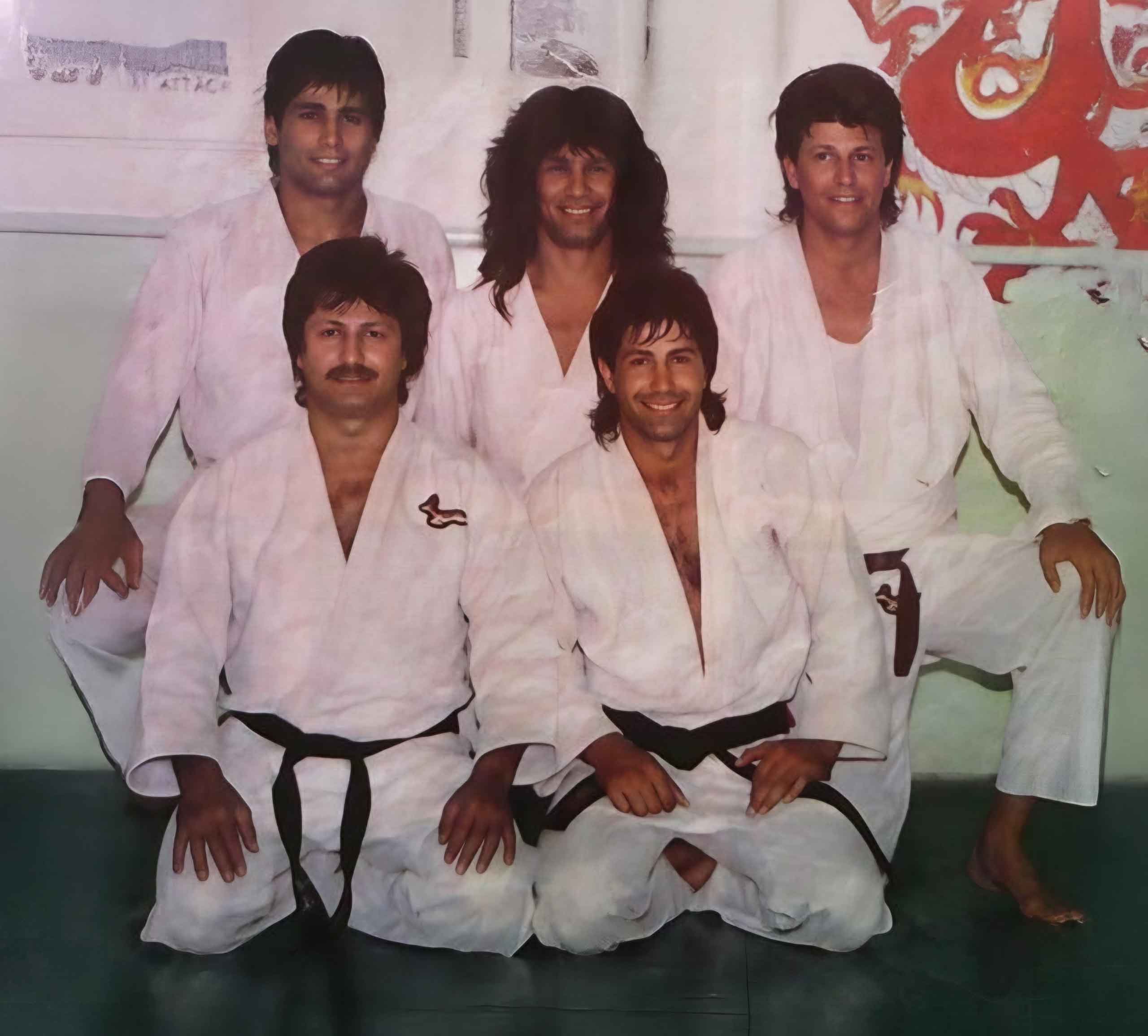
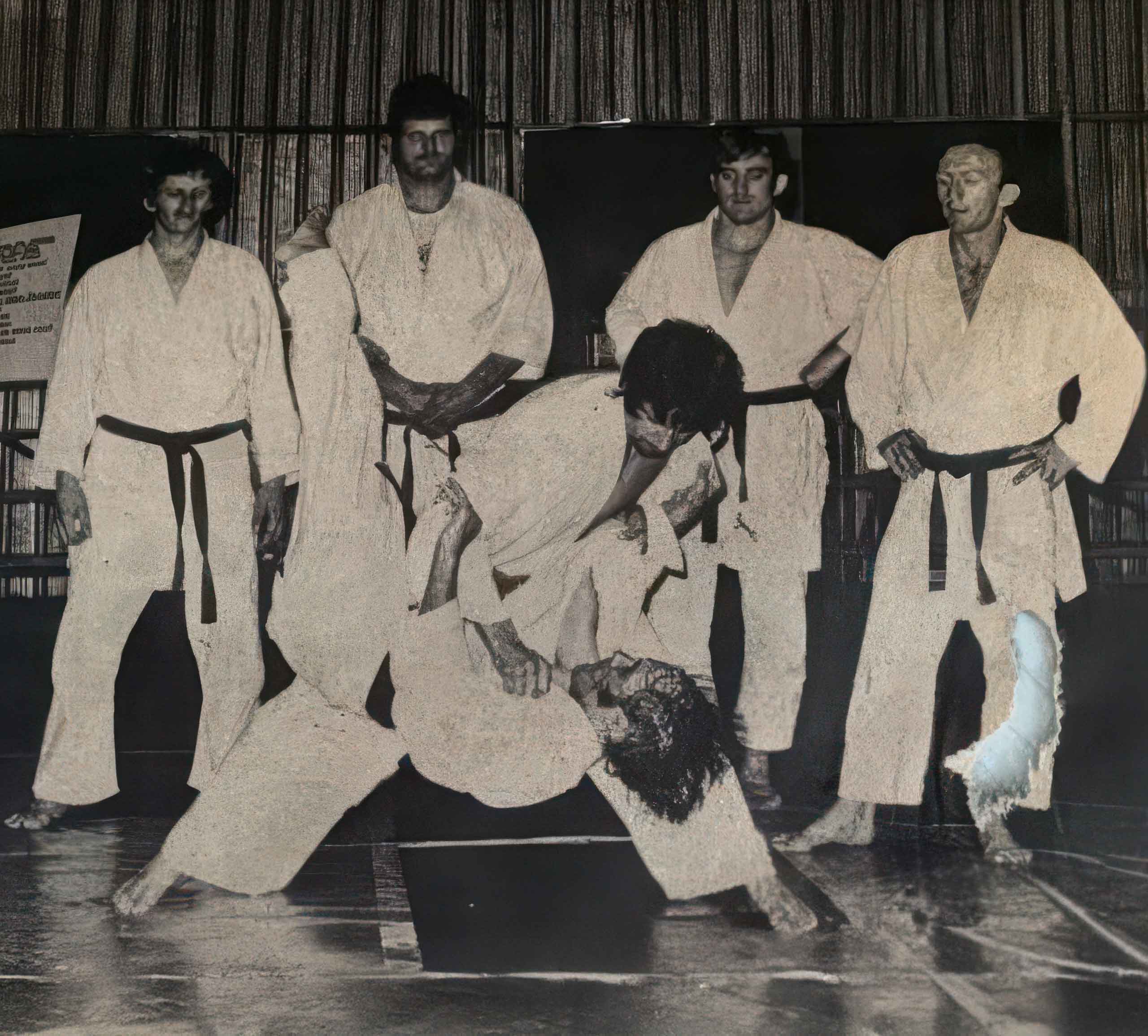
I grew up in a judo family. There were five of us brothers, and we all became South African champions and Springboks. My dad, who never actually did martial arts himself, built a dojo in our backyard. He was the inspiration and driver of it all — a perfectionist. For him, it was never about medals or titles; he wanted to see perfect technique. If we came home with a gold medal, his first question was, “Which throws worked?” The medals usually ended up under the bar counter.
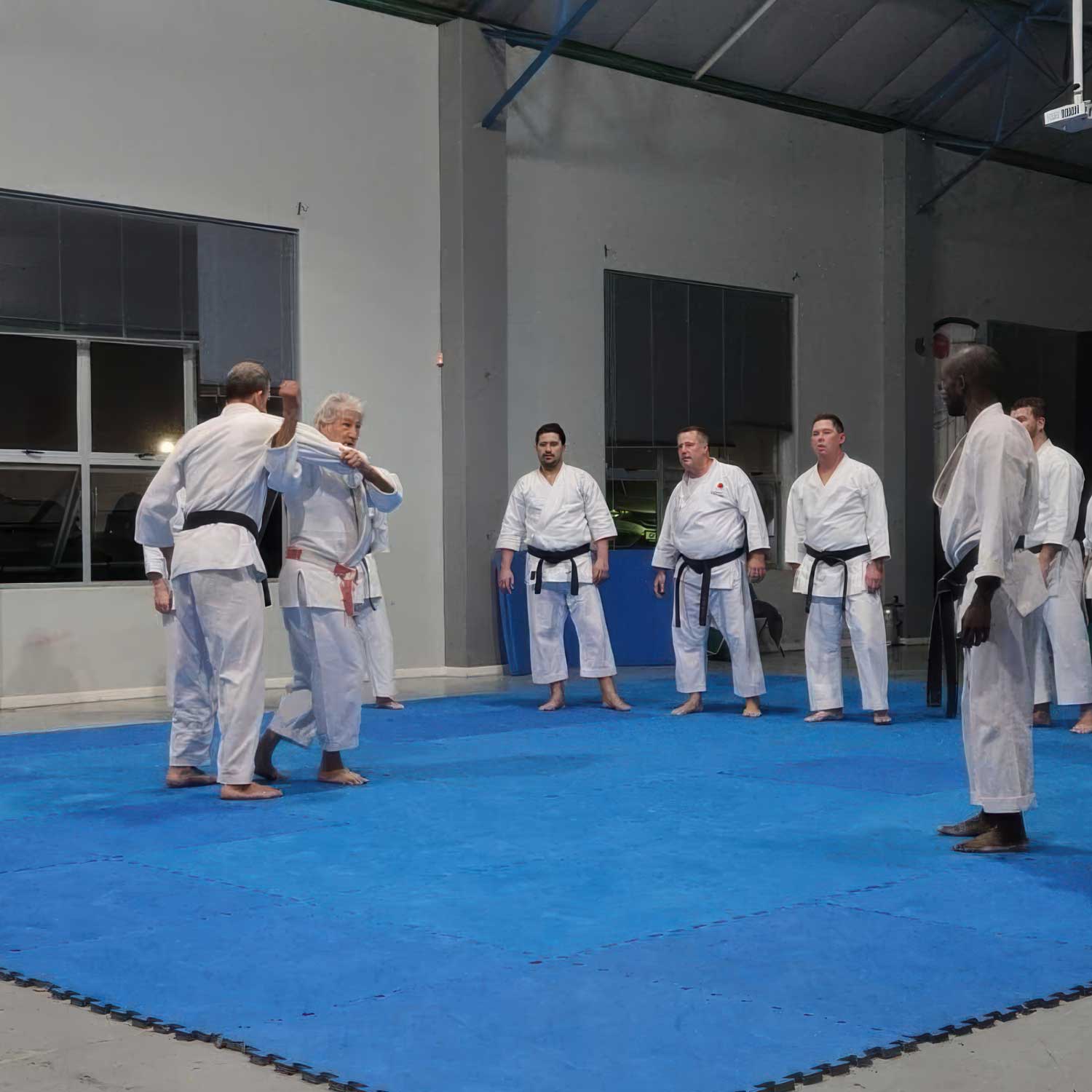
In the late ’60s, his good friend Sensei Basil Grevler — who was doing karate at Orange Grove under Sensei Stan Schmidt — started a club at our house. That was the beginning of karate for us. After judo class, we’d do karate. It became a rhythm in the family, and the two styles complemented each other — explosive power, hip movement, fighting spirit, and of course, the five maxims (dojo kun — five guiding principles for character, conduct, and training in karate) that stayed with us. We always strove for the ippon (一本 — a full point that ends a match in judo or karate) — the same as JKA karate’s shobu ippon (勝負一本 — a match decided by scoring one full point in karate).
How did training simultaneously in judo and karate shape your early understanding of martial arts?
With self-defence and fighting at its core, I believe most martial artists should have an interest in other styles — if only to improve their own. From the outset, we trained karate to improve our judo.
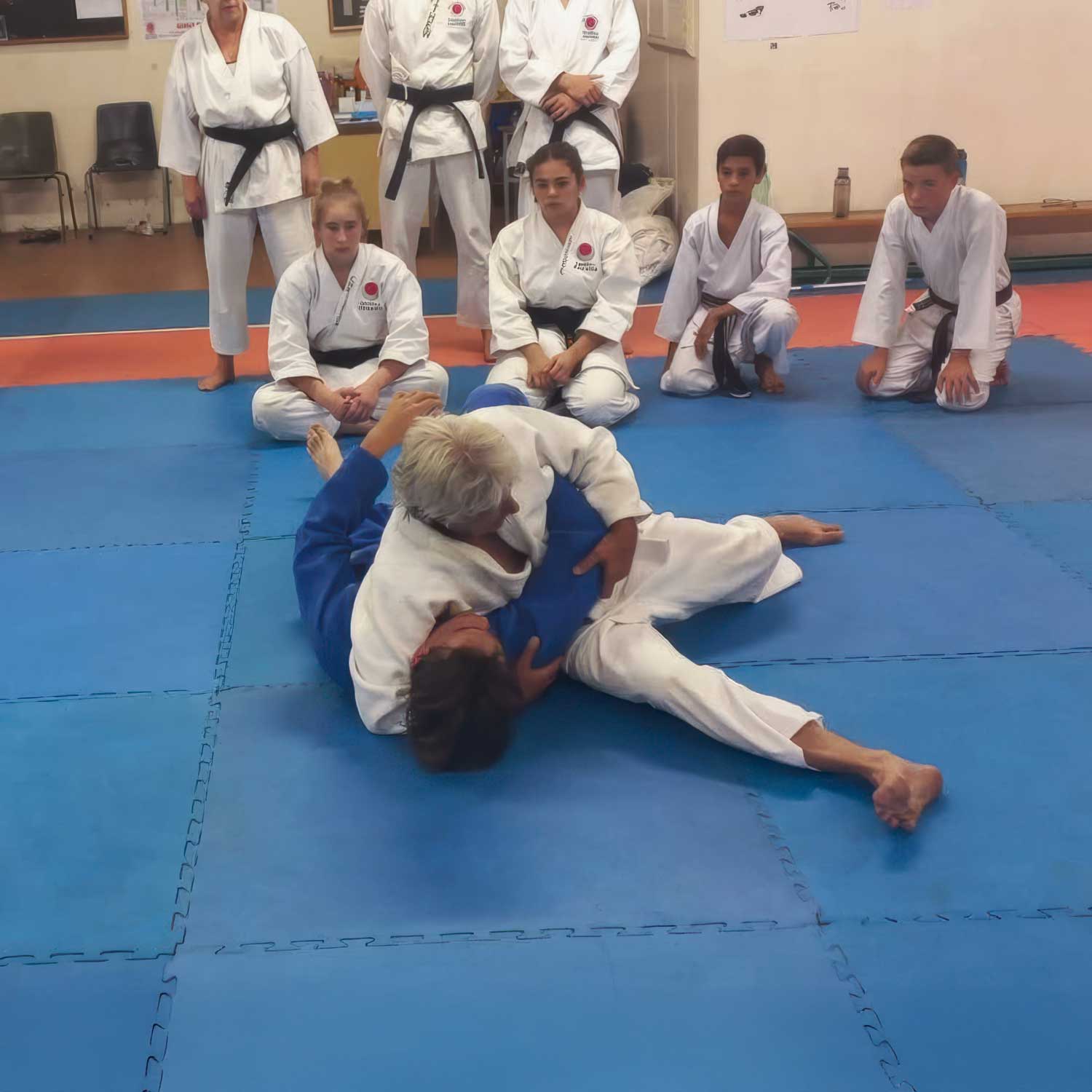
Judo gave me grounding; karate gave it shape. With judo, you learn balance, control, and how to use your opponent’s momentum. Karate added rhythm, timing, and distance. Learning both at the same time gave me a broader understanding of martial arts. We never really separated them; they were just different parts of the same thing.
Over the years, I trained a bit of boxing and kickboxing to improve my striking, and joined an amateur wrestling club to improve my grappling. In 1983, I qualified for the Springbok Swiss Wrestling team and competed at the World Championships in Langenthal, Switzerland. There are no weight divisions in Swiss wrestling, so for me, it developed a deeper insight into fighting larger opponents.
Historical and Cultural Perspectives
South Africa has a rich martial arts history, notably influenced by legends like Sensei Stan Schmidt and Sensei Norman Robinson — both of whom trained in both judo and karate during their careers. Could you share how these figures influenced your personal martial arts path?
Our very first judo coach was Sensei Dougie Baggot, who ran a dojo in downtown Johannesburg. He was related to Sensei Norman Robinson. Many years later, my late brother Patrick and Sensei Norman both qualified for the Springbok judo team, which unfortunately couldn’t compete in Europe due to the apartheid boycott.
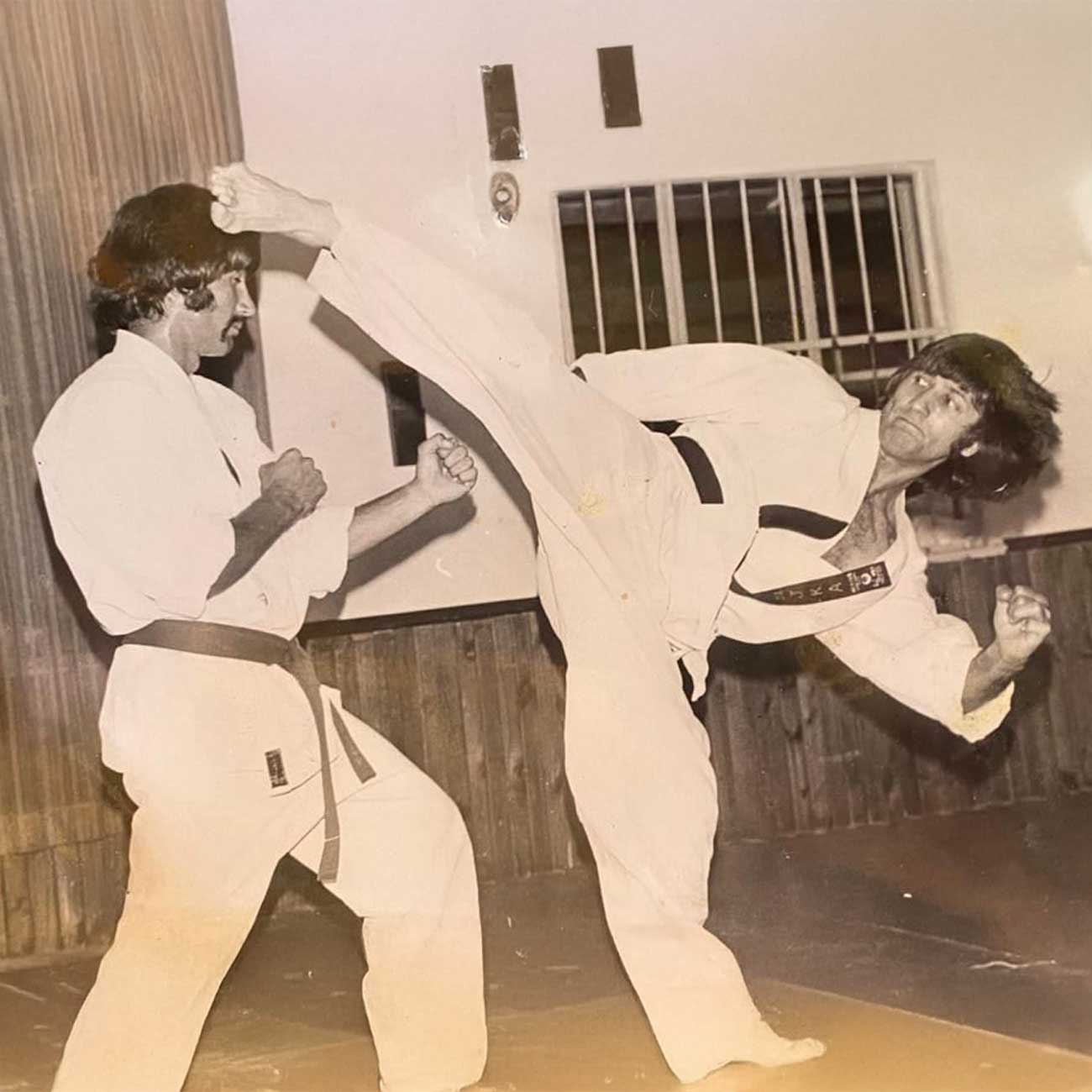
Through Sensei Basil, my brother Patrick was invited by Sensei Stan to train in the Early Birds class (an elite early-morning karate training class run by senior JKA instructors in South Africa) at Orange Grove, where he trained with most of the top JKA instructors. He gave them a small insight into competitive judo. The high quality of karate participants in those Early Birds classes was an eye-opener for my brother. He brought back stories of the intensity and precision of those sessions, and we tried to carry that into our own training.
I was pulled in and started teaching judo for Sensei Stan in the side room of the Grove dojo (the famous Orange Grove JKA headquarters in Johannesburg, led by Sensei Stan Schmidt). I graded shodan (first-degree black belt) in 1982 under the watchful eye of Sensei Eddie Dory and Sensei Ken Wittstock. By this stage, our judo careers were flying and we didn’t have the time to fully commit to both arts.
Challenges and Growth
What have been the biggest challenges in your martial arts journey, and how have they shaped your approach to training and growth?
One of the biggest challenges in both judo and karate is still the same: finances. To grow, you need to travel, compete, and train with as many different styles and fighters as possible. That kind of exposure makes all the difference, but it’s not always easy to access.
What do you think South African martial artists need most to succeed at the highest level internationally?
We’ve got the skills, the commitment, and the heart. But with limited international exposure, it’s hard to build that big-match mindset. You only get that by stepping into the arena… again and again.
Competition and Philosophy
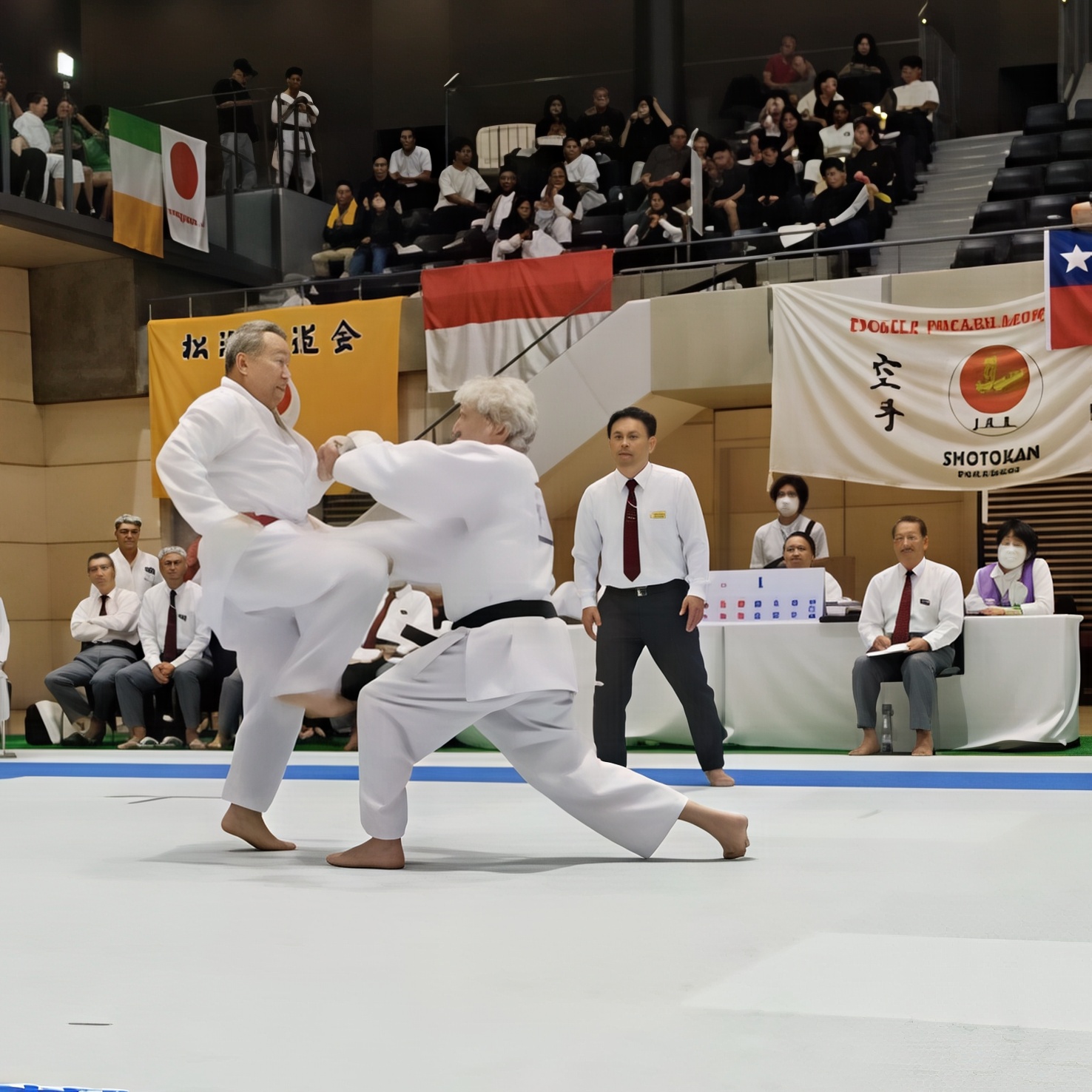
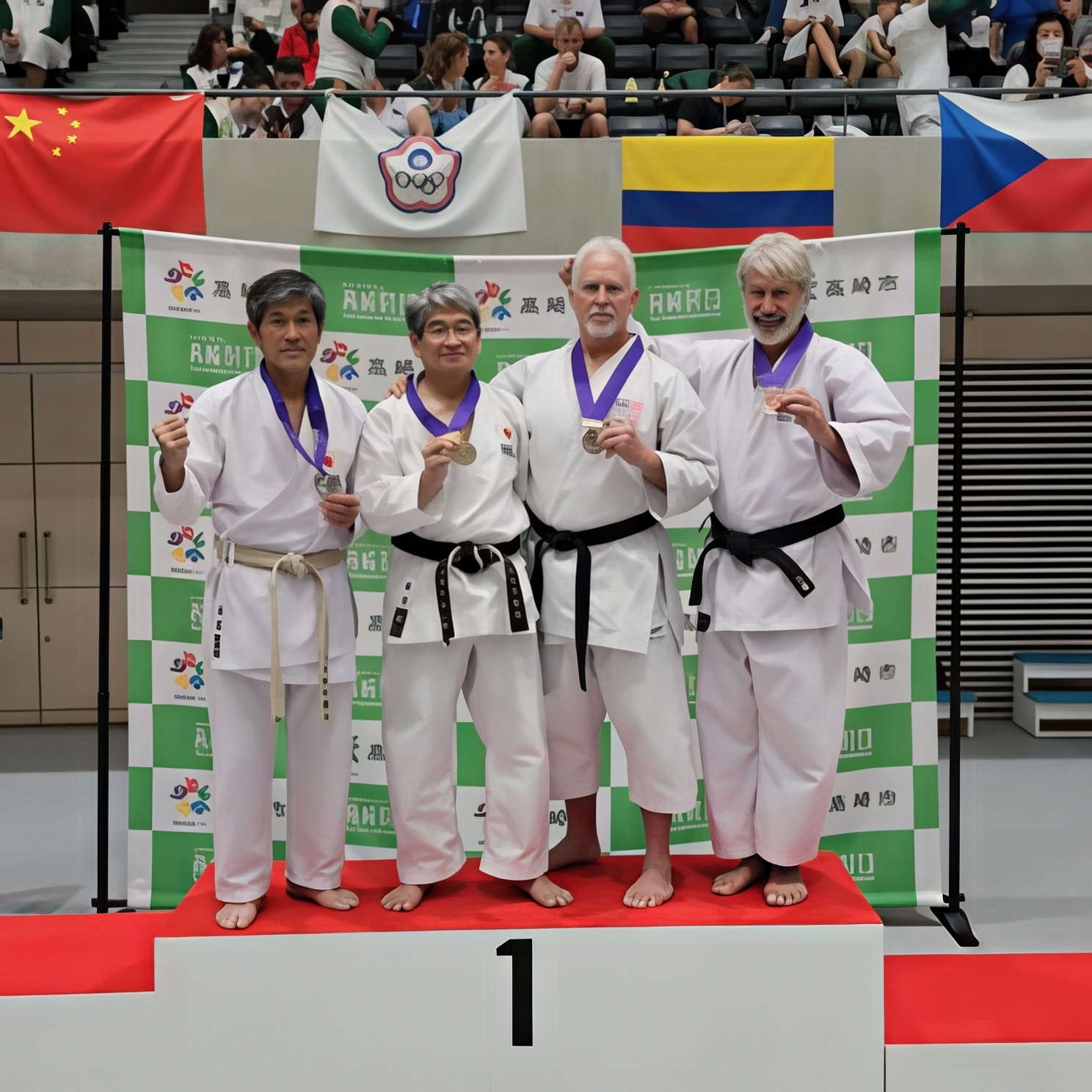
You recently competed at the Shotocup World Championships in Japan and brought home a medal. What did that experience mean to you, and what did you take away from it?
Competing at the Shotocup World Championships and bringing home a medal was a real highlight. Sensei Johan La Grange’s instruction and training was world-class. A few years back, through his vast experience and knowledge of karate, I think he saw something in me he could mould and define. That’s when my preparation actually began. The support I had from Sensei Eugene Oosthuizen and the Early Bird team pushed me every day. At the gasshuku (intensive martial arts training camp) in Tokyo before the tournament, I realised just how high our standard is here in South Africa. We can be proud of that.
How do you balance the need for preserving tradition with adapting techniques for modern realities?
The latest rise in popularity of MMA has forced most martial arts to look deeper into their styles. Looking at the true history of judo and karate, they both originate from the same base. Jigoro Kano, the founder of judo, and Gichin Funakoshi, the founder of Shotokan, and their original followers all trained at the Kodokan in Japan. Kano wanted judo and karate to be one, but after a while Gichin decided to branch out and develop his Shotokan style. The link is still there — in the kata, randori, kumite, and spirit. So the idea of mixing martial arts isn’t new; it’s part of the history.
How important is it for martial artists to balance staying true to their tradition with adapting to different fighting styles?
I think each art must stay true to its tradition but should keep an open mind on strengths and weaknesses. Know where your comfort zone is and work on ways to stay there. For example, if you are a striking style, know enough grappling or throwing to defend back to your forte, and vice versa.
Coaching and Mentorship
As a senior martial artist, how do you keep yourself motivated to continue training and improving?
My motivation has always come from a deep love for the art and the discipline it demands. Even during the apartheid era, when Olympic and world participation was unavailable, I focused on what I could achieve — national championships and tests against rebel international teams. The joy of being in the same Springbok team as some of my brothers, and being coached by my late brother, kept my passion alive. Highlights like winning my first SA title in 1972, my last in 1990, and captaining the Springbok team against Portugal reminded me that hard work and dedication always pay off. That spirit continues to drive me today.
Can you share how you became involved again in high-performance judo coaching and the Olympic programme?
Patrick, my older brother, was appointed Springbok coach for the 1996 Olympic cycle. But in 2000, while at the African Championships in Algeria, he picked up a virus and tragically passed away. This brought me back into the judo fold. I was asked to step in and served as Olympic coach for the 2004, 2008, and 2012 cycles. At the Athens Olympic Games, where we qualified one player, I realised we needed someone full-time who really knew the international scene — how top players fought, how they trained. So, as High Performance Director, I helped start an elite squad at Tuks University. We brought in Sensei Nikola Filipov from Bulgaria to lead it. We qualified three judoka for Beijing, one for London, and one for Rio.
Broader Perspectives
What do you think South African martial arts organisations could do to strengthen unity and collaboration across different styles?
I believe it starts with mutual respect and open communication between styles. We can learn so much from each other’s strengths — whether it’s the precision of karate, the grappling skills of judo, or the discipline of other arts. Joint seminars, cross-training opportunities, and shared competitions can break down barriers and foster real camaraderie. The more we interact, the more we’ll realise we have far more in common than what separates us.
How do you see the role of martial arts in shaping the character and values of young people today?
Judo and karate are individual arts, so the journey can feel like a lonely one — but the dojo quickly becomes a home where friendships are nurtured and mutual respect is learned. These arts teach discipline, perseverance, and humility, values that will hopefully stay with young people long after they leave the mat. Of course, time is a harsh opponent and memories fade, but I believe a legacy is best laid out by example. I can only hope my example lingers.
Personal Reflections
Looking back over your career, what moments stand out as the most defining or meaningful for you as a martial artist?
Competing, coaching, and leading teams over the decades all had their high points, but the true defining moments were when I realised that the lessons learned on the tatami — resilience, humility, and perseverance — applied just as much in life as they did in competition.
Finally, what message would you like to leave for martial artists in South Africa who are striving to follow in your footsteps?
It’s a long road to the top. And it’s an even longer road to stay there. Keep your hunger alive by improving each day. Challenge yourself long before you challenge your opponent. Beat him in your mind over and over again, so when you do meet, it’s been done already. Know that there is another power within you. Let it speak. Oss.